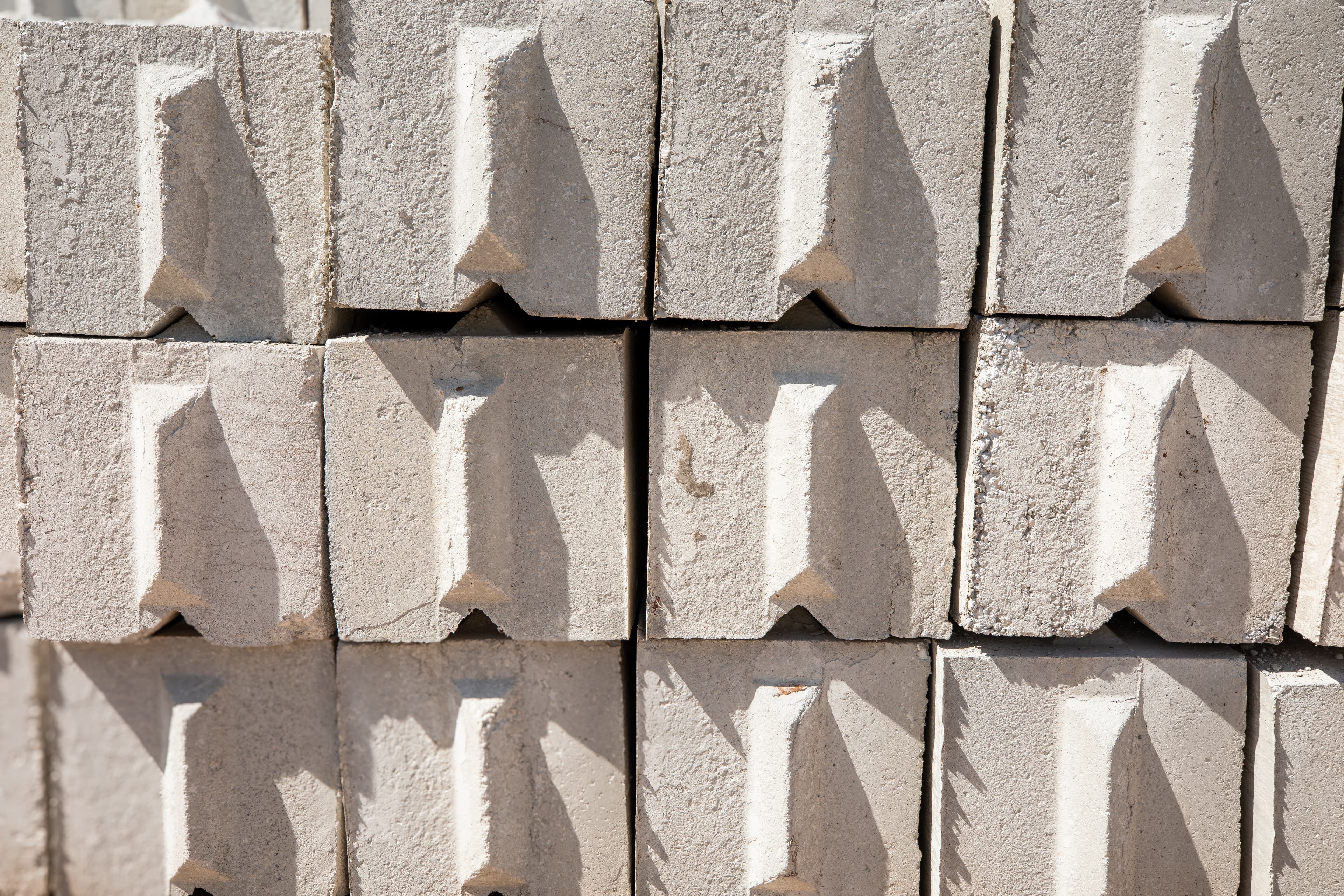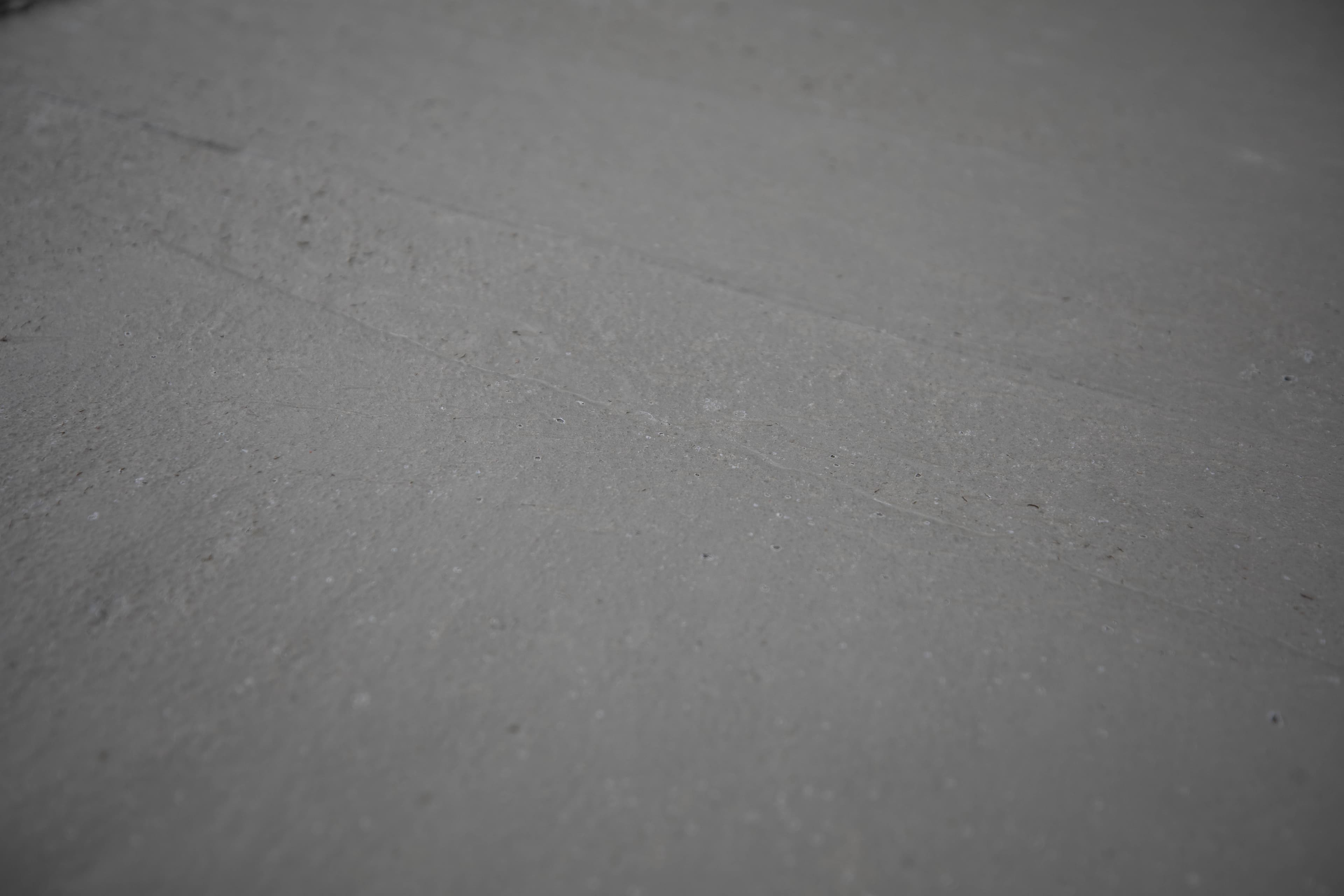
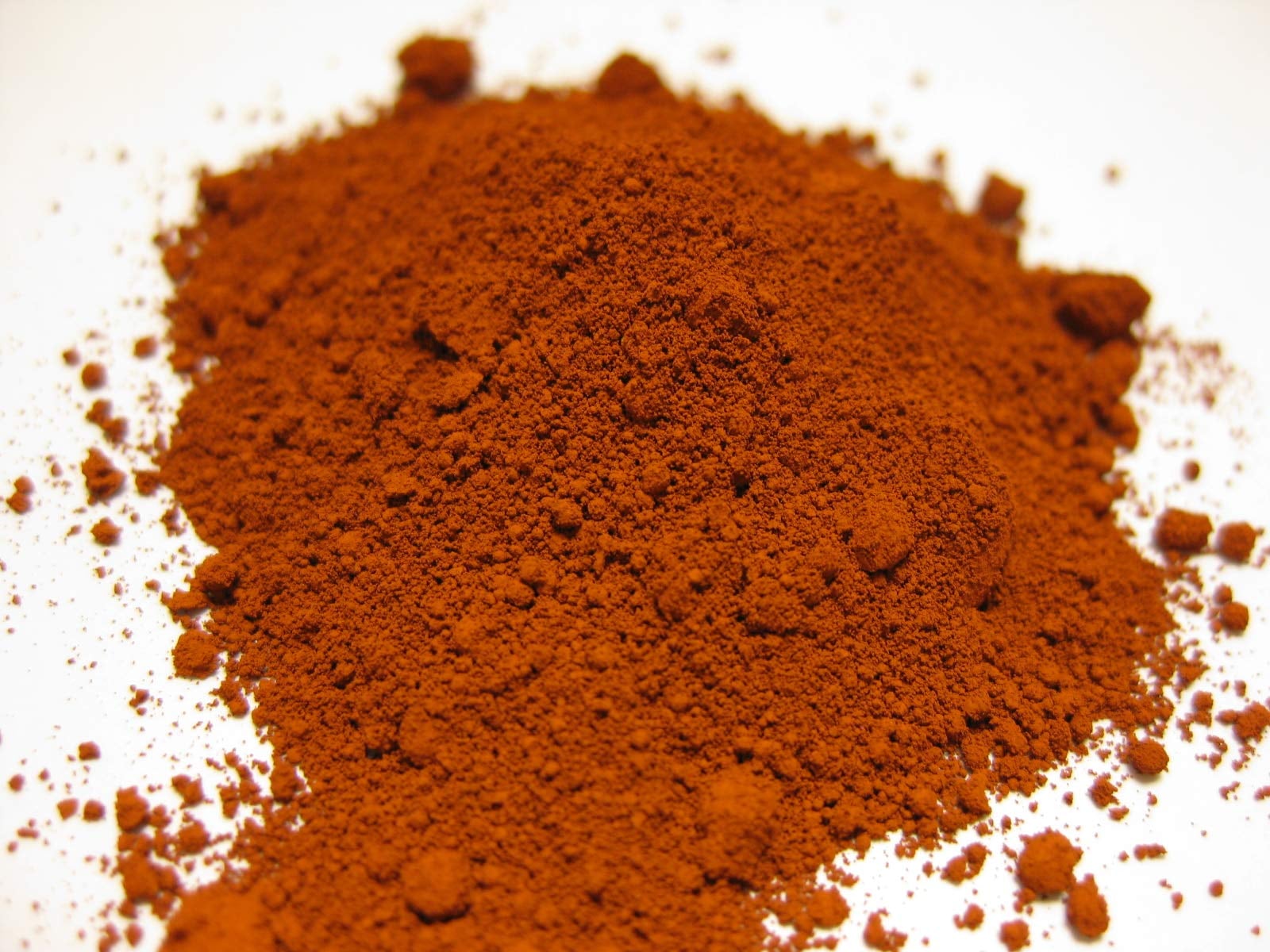

Integrally colored concrete can provide a durable and attractive architectural finish when the concrete mixture, batching, delivery, placement, finishing, and curing processes are carefully controlled. Because the final appearance is influenced by every stage of production and construction, consistency is the most important factor in achieving uniform color.
This technical overview provides recommended practices for ready-mix producers, contractors, finishers, and project teams working with integrally colored concrete.
For Contractors and Finishers
Control Job Site Water Additions
Uncontrolled water addition is one of the most common causes of color variation in decorative concrete.
Additional water changes the water-to-cementitious-materials ratio and may cause differences in:
- Surface color
- Bleeding
- Setting time
- Finishing response
- Shrinkage Strength
- Durability
Any permitted water addition should:
- Remain within the approved design-water limit.
- Be measured and documented.
- Be authorized by the appropriate project representative.
- Occur before significant discharge.
- Be followed by the required mixer revolutions.
- Produce a slump consistent with the previous loads.
Different water additions from truck to truck can result in visible color differences between placement areas.
Water should not be applied to the concrete surface as a finishing aid. Sprinkling water on the surface can create light and dark spots, streaking, scaling, dusting, and reduced surface durability.
When additional workability is needed, a compatible water-reducing admixture is preferred.

Control Concrete Temperature and Weather Exposure
Weather conditions can significantly affect the setting, finishing, curing, and final appearance of colored concrete.
- Hot, Dry, and Windy Conditions
High temperatures, low relative humidity, wind, and direct sunlight can increase evaporation and cause different areas of a slab to set at different rates.
Recommended precautions include:
- Scheduling placements during cooler portions of the day
- Providing adequate labor and finishing equipment
- Using sunshades or windbreaks where practical
- Cooling concrete materials when necessary
- Using approved set-retarding admixtures
- Using evaporation-control products as directed
- Beginning curing promptly and uniformly
- Avoiding placement areas that transition between direct sunlight and shade without planning
Concrete placed in shade may set and cure differently from concrete exposed to direct sunlight, which can result in visible color variation.
- Cold Weather
Cold weather slows setting, finishing, and color development. Concrete should be protected from freezing and maintained within suitable curing temperatures.
Temporary heaters should be properly vented. Direct-fired heaters can create carbonation-related discoloration when combustion gases contact fresh concrete.
Calcium chloride should not be used in integrally colored concrete because it can contribute to uneven color and surface discoloration. Non-chloride accelerators should be used when acceleration is required.
Maintain Consistent Placement Practices
Colored concrete should be placed continuously whenever practical. Delays between loads may create cold joints, finishing differences, or visible transitions.
Placement practices should include:
- Consistent discharge rates
- Uniform consolidation
- Proper vibration without over-vibration
- Consistent placement thickness
- Stable and uniformly prepared sub-grade
- Properly spaced construction and contraction joints
- Adequate crew size for the placement area
The subgrade should be uniformly moist but free of standing water. Uneven sub-grade moisture can cause the concrete to lose water at different rates, potentially affecting setting and appearance.
Concrete should not be placed on frozen, muddy, excessively dry, or inconsistently prepared sub-grades.
Use Consistent Finishing Techniques
Finishing methods have a major influence on the appearance of colored concrete.
The same finishing equipment, sequence, timing, and personnel should be used throughout the placement whenever possible.
Recommended practices include:
- Do not finish while bleed water is present.
- Do not add water to the surface.
- Do not broadcast dry cement onto the surface.
- Avoid excessive manipulation of the surface.
- Use consistent floating and troweling techniques.
- Maintain the same broom direction and texture.
- Avoid excessive hard troweling unless included in the approved mockup.
- Coordinate finishing timing with the concrete’s actual setting behavior.
Overworking or hard troweling the surface may darken or burnish localized areas. Differences in broom texture can also create the appearance of color variation because light reflects differently from the surface.
Apply Uniform Curing
Proper curing is essential for strength, durability, and appearance. Uneven curing can create blotching, streaking, light areas, dark areas, and differences in surface texture.
The curing method should be selected during the mockup and used consistently throughout the project.
When using a curing compound or cure-and-seal product:
- Use the same product throughout the placement.
- Verify compatibility with colored concrete.
- Follow the manufacturer’s application-rate requirements.
- Apply the product uniformly.
- Avoid puddles, overlap marks, and missed areas.
- Use clean and properly functioning spray equipment.
- Follow weather and surface-temperature limitations.
Plastic sheeting may leave wrinkles, moisture marks, or mottled areas on decorative concrete. Its effect should be evaluated during the mockup before it is used on exposed colored surfaces.

For Ready-Mix Producers
Develop and Approve a Project Mockup
A representative mockup should be completed and approved before the primary placement. The mockup establishes realistic expectations for color, texture, finishing, curing, jointing, and overall appearance.
The mockup should use the same:
- Concrete mixture proportions
- Cementitious materials and sources
- Pigment type and dosage
- Aggregates
- Chemical admixtures
- Target slump
- Placement method
- Finishing tools and techniques
- Curing materials
- Sealer, when applicable
A full-scale mockup is more representative than a small laboratory sample because it captures the effects of actual batching, placement, finishing, weather, and curing conditions.
The approved mockup should be used as the visual reference for the project. Some variation should still be expected because concrete is manufactured from natural materials and its appearance is influenced by environmental and construction conditions.
Use Pigments Intended for Integrally Colored Concrete
Pigments should comply with ASTM C979/C979M, Standard Specification for Pigments for Integrally Colored Concrete.
Pigment quantities should be based on the approved concrete mixture and calculated according to the pigment manufacturer’s recommended dosage method. Depending on the color system, pigment dosage may be based on the amount of Portland cement or the total cementitious material content.
Any change in cementitious content, cement source, supplementary cementitious material percentage, or pigment dosage should be reviewed because it may alter the final color.
Add Integral Color at the Ready-Mix Plant
Integral color should preferably be added at the ready-mix production facility rather than manually added at the project site.
Plant-controlled addition provides improved control over:
- Pigment quantity
- Addition sequence
- Mixing time
- Batch-to-batch consistency
- Documentation
- Quality assurance
- Employee exposure to powdered pigment
The pigment should be added using a consistent sequence that promotes complete dispersion. Adequate mixing time should be provided before the concrete is discharged.
When color must be added at the job site, a written procedure should be established that addresses:
- Pigment quantity
- Existing water in the truck
- Addition sequence
- Required mixer revolutions
- Minimum mixing time
- Slump verification
- Documentation of the addition
Color should not be added inconsistently from truck to truck or without oversight from the concrete producer.

Maintain Consistent Concrete Materials
The appearance of integrally colored concrete is affected by all materials in the mixture, not only the pigment.
For the best color consistency, the project should use the same:
- Cement type and source
- Supplementary cementitious material source
- Aggregate sources
- Pigment product and dosage
- Chemical admixture products
- Mixture proportions
- Water-to-cementitious-materials ratio
Changing cement sources during a project may alter the background shade of the concrete. Aggregate color can also influence the final appearance, especially when the surface is broomed, exposed, polished, or otherwise textured.
Material substitutions should not be made during the colored portion of the project without evaluating their effect on appearance and performance.
Cementitious Content and Paste Volume
There is no universal ASTM or ACI minimum cement content established specifically for pigment dispersion. However, the concrete mixture should contain adequate cementitious paste to provide uniform pigment distribution, acceptable workability, proper consolidation, and a consistent finish.
As a practical starting point, a minimum cementitious content of approximately five sacks per cubic yard—about 470 pounds per cubic yard—is recommended for conventional integrally colored flatwork.
This should be treated as a mixture-design recommendation rather than a prescriptive industry standard. The appropriate cementitious content may vary based on:
- Aggregate grading
- Maximum aggregate size
- Desired finish
- Pigment dosage
- Placement conditions
- Strength requirements
- Durability requirements
- Use of supplementary cementitious materials
Increasing cementitious content beyond what is needed does not automatically improve color consistency and may increase shrinkage, heat generation, curling, and cracking potential.
The final mixture should provide sufficient paste for finishing without relying on excessive water.
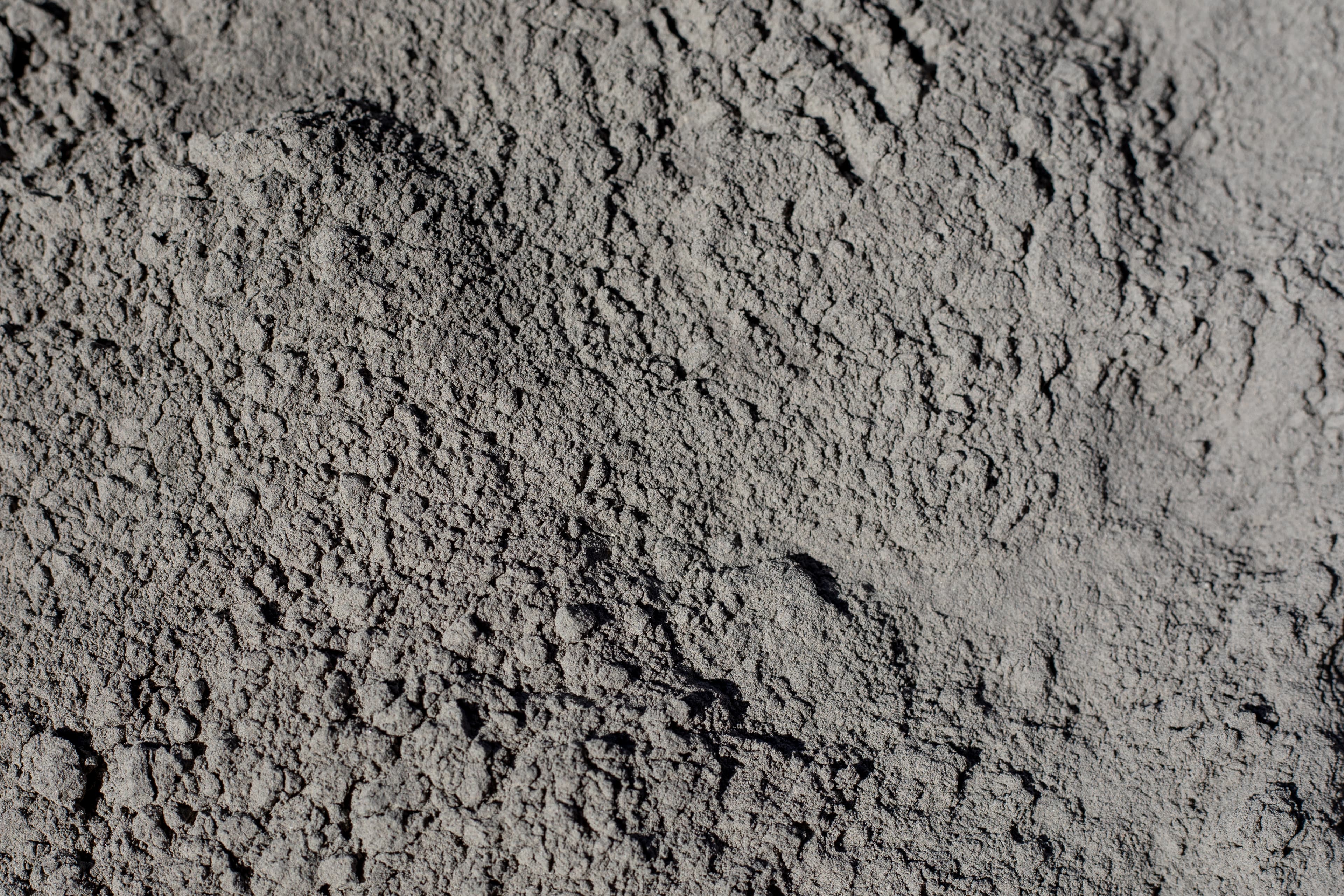
Use of Supplementary Cementitious Materials
Supplementary cementitious materials such as fly ash, slag cement, and natural pozzolans can be used successfully in integrally colored concrete.
A straight-cement mixture is not automatically required and is not necessarily superior. The primary concern is maintaining consistent material sources and replacement percentages throughout the project.
SCMs may influence:
- Base concrete color
- Pigment response
- Setting time
- Bleeding
- Finishing characteristics
- Early-age color development
- Long-term appearance
Fly ash can affect the shade depending on its source, carbon content, and natural color. Slag cement often produces a lighter base color, which may change the appearance of the selected pigment.
The proposed cementitious system should be evaluated in the project mockup. Once approved, the SCM type, source, and replacement percentage should remain consistent.
Maintain a Uniform Slump
A target slump of approximately 4 inches is generally recommended for conventional integrally colored flatwork, with a maximum target of approximately 5 inches unless the placement requires a different engineered workability.
The most important requirement is consistency from load to load.
A higher slump should be achieved using an approved water-reducing or high-range water-reducing admixture rather than uncontrolled water additions.
Excessively high or inconsistent slump can contribute to:
- Color variation
- Segregation
- Bleeding
- Surface laitance
- Uneven finishing
- Increased shrinkage
- Reduced surface durability
- Lower compressive strength
Specialized placements, congested reinforcement, pumping conditions, or architectural applications may require a different slump. In those situations, the selected slump and admixture system should be demonstrated during the mockup.
For Producer and Contractor
Evaluate Sealers During the Mockup
A sealer can deepen, darken, or otherwise alter the apparent color of the concrete. The selected sealer should therefore be applied to part of the mockup before final approval.
The project team should evaluate:
- Final color
- Gloss level
- Slip resistance
- Application rate
- Compatibility with the curing product
- Maintenance requirements
- Reapplication frequency
The surface should be properly cleaned and sufficiently dry before sealing. Uneven sealer application can cause blotching, roller marks, bubbles, whitening, and differences in gloss.
Establish Quality-Control Requirements
The concrete producer and contractor should establish project-specific controls before the first colored placement.
Recommended documentation includes:
- Approved concrete mixture
- Pigment product and dosage
- Cementitious material sources
- Aggregate sources
- Admixture products and dosage ranges
- Target slump
- Maximum permitted water addition
- Concrete temperature limits
- Batch and delivery tickets
- Actual job site water additions
- Placement start and finish times
- Weather conditions
- Curing and sealing products
- Approved mockup photographs
The project team should also define who has authority to approve mixture adjustments, water additions, material substitutions, and changes in placement procedures.

Final Recommendation
The most successful integrally colored concrete projects are those that minimize variation from the first batch through final curing.
Key practices include:
- Complete and approve a representative mockup.
- Use pigments complying with ASTM C979/C979M.
- Add and mix color at the ready-mix plant whenever possible.
- Maintain consistent cement, SCM, aggregate, admixture, and pigment sources.
- Consider a minimum cementitious content of approximately five sacks per cubic yard as a practical mixture-design starting point.
- Maintain a consistent slump, typically near 4 inches and generally not exceeding 5 inches for conventional flatwork.
- Strictly control and document job site water additions.
- Use water-reducing admixtures instead of excess water.
- Plan for temperature, wind, humidity, and sunlight.
- Maintain consistent placement and finishing techniques.
- Cure and seal the concrete uniformly.
- Use the approved mockup as the project’s appearance standard.
Please note, Integral color does not produce the uniformity of paint or manufactured flooring. Reasonable variations in shade and appearance are inherent in concrete. Clear expectations, proper mixture design, controlled production, and consistent construction practices provide the best opportunity for a durable and visually uniform finished product.
Download: Brochure with Color Swatch & Suppliers